
Robert Parrish
Robert R. Parrish (born 4 January 1916, Columbus, Georgia – 4 December 1995, Southampton, New York) was an American actor, film editor, film director, and writer. He received an Academy Award for Film Editing for the 1947 film, Body and Soul. Parrish was the son of factory cashier Gordon R. Parrish and Laura R. Parrish. In the mid-1920s, the family moved from Georgia to Los Angeles and Parrish and his sisters Beverly and Helen began obtaining work as actors soon thereafter. Parrish made his film debut in the 1927 Our Gang short Olympic Games. (Their mother, Laura R. Parrish, was an actress as well and appeared in a few films of the 1940s.) He appeared in the anti-war classic All Quiet on the Western Front (1930) and Charles Chaplin's City Lights (1931), and in several films for John Ford. Ford then enlisted him as an assistant editor in 1936 on Mary of Scotland, and as a sound editor on Young Mr Lincoln (1939). Parrish worked as an assistant editor and sound editor on other Ford movies as Drums Along the Mohawk (1939) and The Grapes of Wrath (1940). Parrish and Ford were in the United States Navy during the Second World War, and worked on documentary and training films including The Battle of Midway (1942). In 1947 he won an Oscar for his debut as a feature film editor on Robert Rossen's high tempo boxing drama Body and Soul; the award was shared with Francis Lyon. Parrish was later nominated for another Rossen film – the political drama All the King’s Men (1949); he shared the nomination with Al Clark. Parrish went on to contribute his technical talents to a host of highly regarded films and made a promising directorial debut in 1951 with the gripping revenge melodrama, Cry Danger. His subsequent output met with varying success. The Purple Plain (1954) was nominated for "Best British film" at the 8th British Academy Film Awards. One of the most notorious of his films was the James Bond Parody Casino Royale (1967), in which he was one of the film's five directors. His last film, on which he shared co-director credit with Bertrand Tavernier, was Mississippi Blues (1983). Parrish wrote two memoirs, Growing Up in Hollywood (1976) and its sequel Hollywood Doesn't Live Here Anymore (1988). Of the first, Kevin Brownlow wrote, "His stories about these pictures were marvellous in themselves, and he often came at them sideways, so not only the punchline but the situation took you by surprise. We all entreated him to write them down and in 1976 he did so, producing one of the most enchanting - and hilarious - books about the picture business ever written. It was called Growing Up in Hollywood and it ought to be reprinted in this centenary year." Summing up Parrish's career, Allen Grant Richards wrote, "Other than his excellent editing work and early directing, Parrish may be most remembered as storyteller from his two books of Hollywood memoirs."
Filmography (17)
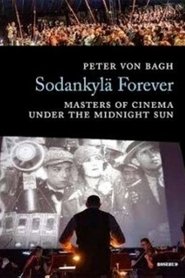 TV★ 6.4Sodankylä Forever2010as Self
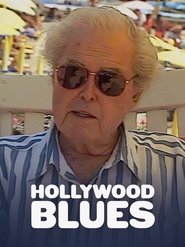 MOVIE★ 5.0Hollywood Blues1993as Self - director
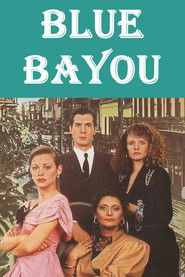 MOVIE★ 10.0Blue Bayou1990as Tony
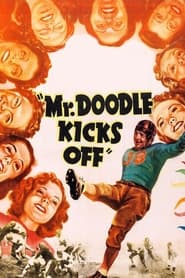 MOVIE★ 8.0Mr. Doodle Kicks Off1938as 2nd Sophomore
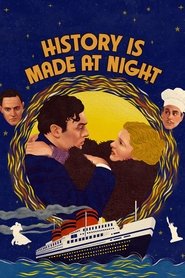 MOVIE★ 6.7History Is Made at Night1937
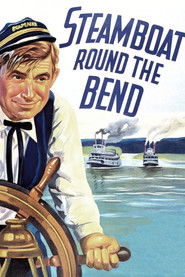 MOVIE★ 7.5Steamboat Round the Bend1935as Boy
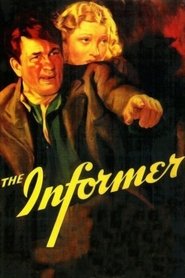 MOVIE★ 6.8The Informer1935as Young Soldier (uncredited)
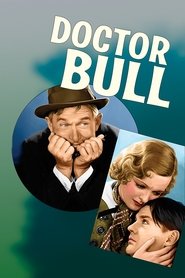 MOVIE★ 6.7Doctor Bull1933as Teenager
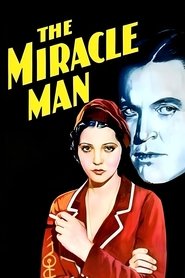 MOVIE★ 5.9The Miracle Man1932
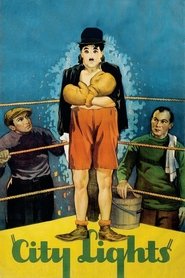 MOVIE★ 8.2City Lights1931as Newsboy (uncredited)
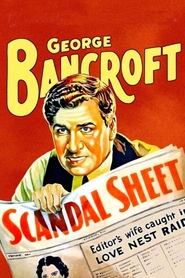 MOVIE★ 10.0Scandal Sheet1931as Copy Boy
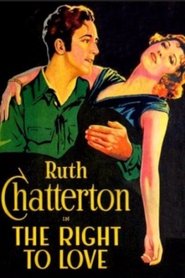 MOVIE★ 6.0The Right to Love1930as Willie
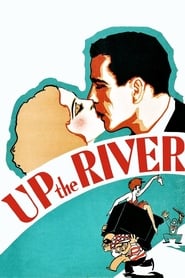 MOVIE★ 5.6Up the River1930as Boy (uncredited)
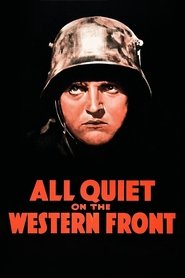 MOVIE★ 7.8All Quiet on the Western Front1930as Schoolboy (uncredited)
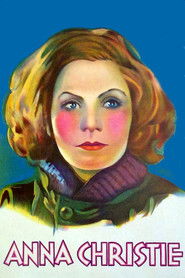 MOVIE★ 6.0Anna Christie1930as Boy at Coney Island (uncredited)
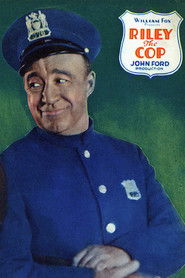 MOVIE★ 5.7Riley the Cop1928as Boy
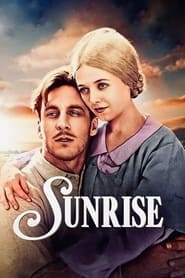 MOVIE★ 7.8Sunrise: A Song of Two Humans1927as Boy (uncredited)