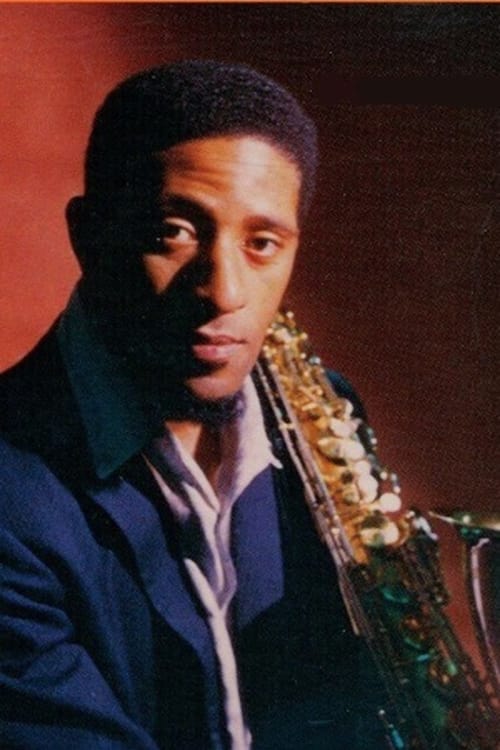
Sonny Rollins
Walter Theodore "Sonny" Rollins (September 7, 1930 - May 25, 2026) was an American jazz tenor saxophonist who is widely recognized as one of the most important and influential jazz musicians. In a seven-decade career, he has recorded over sixty albums as a leader. A number of his compositions, including "St. Thomas", "Oleo", "Doxy", "Pent-Up House", and "Airegin", have become jazz standards. Rollins has been called "the greatest living improviser" and the "Saxophone Colossus". Rollins was born in New York City to parents from the United States Virgin Islands. The youngest of three siblings, he grew up in central Harlem and on Sugar Hill, receiving his first alto saxophone at the age of seven or eight. He attended Edward W. Stitt Junior High School and graduated from Benjamin Franklin High School in East Harlem. Rollins started as a pianist, changed to alto saxophone, and finally switched to tenor in 1946. During his high school years, he played in a band with other future jazz legends Jackie McLean, Kenny Drew, and Art Taylor. After graduating from high school in 1948, Rollins began performing professionally; he made his first recordings in early 1949 as a sideman with the bebop singer Babs Gonzales (trombonist J. J. Johnson was the arranger of the group). Within the next few months, he began to make a name for himself, recording with Johnson and appearing under the leadership of pianist Bud Powell, alongside trumpeter Fats Navarro and drummer Roy Haynes, on a seminal "hard bop" session. In early 1950, Rollins was arrested for armed robbery and spent ten months in Rikers Island jail before being released on parole; in 1952, he was re-arrested for violating the terms of his parole by using heroin. Between 1951 and 1953, he recorded with Miles Davis, the Modern Jazz Quartet, Charlie Parker, and Thelonious Monk. A breakthrough arrived in 1954 when he recorded his famous compositions "Oleo", "Airegin", and "Doxy" with a quintet led by Davis that also featured pianist Horace Silver, these recordings appearing on the album Bags' Groove. In 1955, Rollins entered the Federal Medical Center, Lexington, at the time the only assistance in the U.S. for drug addicts. While there, he volunteered for then-experimental methadone therapy and was able to break his heroin habit, after which he lived for a time in Chicago, briefly rooming with the trumpeter Booker Little. Rollins initially feared sobriety would impair his musicianship, but then went on to greater success. Rollins briefly joined the Miles Davis Quintet in the summer of 1955. Later that year, he joined the Clifford Brown–Max Roach quintet; studio albums documenting his time in the band are Clifford Brown and Max Roach at Basin Street and Sonny Rollins Plus 4. After the deaths of Brown and the band's pianist, Richie Powell, in a June 1956 automobile accident, Rollins continued playing with Roach and began releasing albums under his own name on Prestige Records, Blue Note, Riverside, and the Los Angeles label Contemporary. ... Source: Article "Sonny Rollins" from Wikipedia in English, licensed under CC-BY-SA 3.0.
Filmography (19)
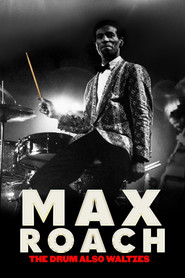 MOVIEMax Roach: The Drum Also Waltzes2023as Self
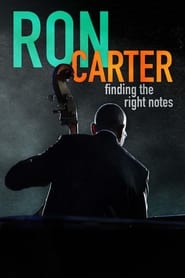 MOVIE★ 7.0Ron Carter: Finding the Right Notes2022as Self
 MOVIEJazz Club 22022
 MOVIE★ 7.0Hargrove2022as Self
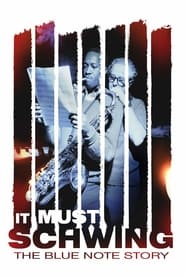 MOVIE★ 8.1It Must Schwing: The Blue Note Story2018as Self
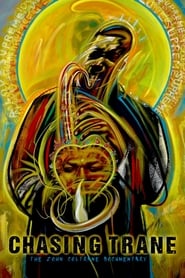 MOVIE★ 7.3Chasing Trane2017as Self - Musician
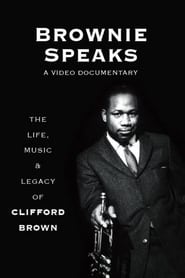 MOVIE★ 10.0Brownie Speaks2014as Self
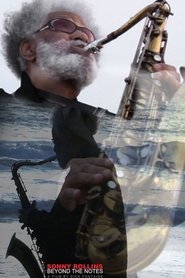 MOVIESonny Rollins: Beyond the Notes2012as Self
- MOVIESonny Rollins '74: Rescued!2010as Self
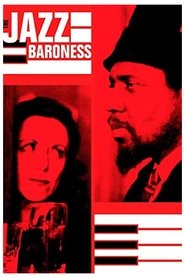 MOVIEThe Jazz Baroness2009as Self
 MOVIEJazz Icons: Sonny Rollins Live in '65 & '682008as Self
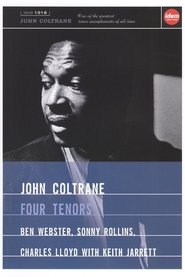 MOVIE★ 6.5John Coltrane Four Tenors2002as Himself
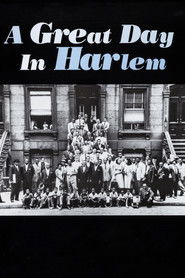 MOVIE★ 6.6A Great Day in Harlem1994as Self
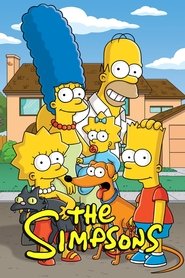 TV★ 8.0The Simpsons1989as Sonny Rollins (voice)
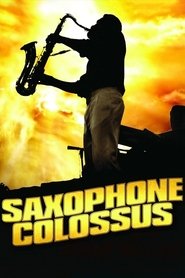 MOVIE★ 7.7Saxophone Colossus1986as Self
- MOVIESonny Rollins - Salle Wagram, Paris1981
 TV★ 8.0Le Grand Échiquier1972as Self
 MOVIE★ 6.0Who Is Sonny Rollins?1968as Self
- MOVIESonny Rollins Sextet 1993 Jazz Madrid—as Self